Nose and Ear Hair: Why It Grows and How Electrolysis Helps
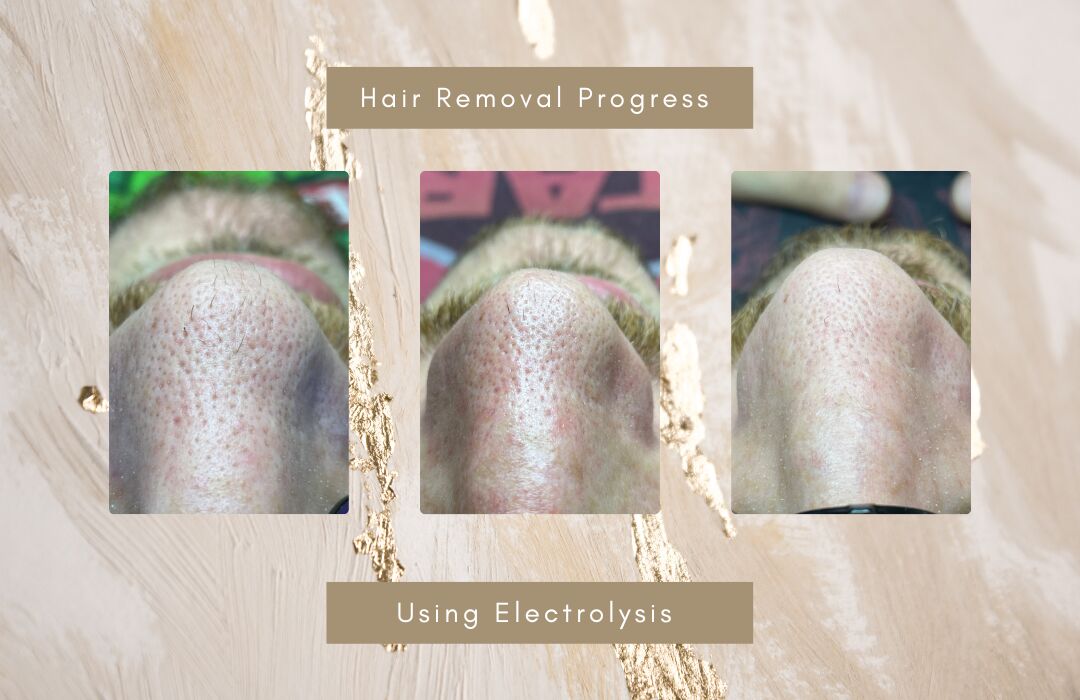
As an electrologist, one of the questions I hear most is: Why am I suddenly growing hair out of my ears, nose, or chin?
Here’s the thing, those hairs were often there before. They were just easy to miss. We’re born with millions of follicles, and we usually don’t notice growth until peach fuzz (vellus hair) shifts into darker, coarser terminal hair. That change can feel like it happened overnight, especially on the nose, ears, and jaw.
If you’re searching nose hair electrolysis, ear hair electrolysis, or whether you can permanently tidy visible hairs without harming your skin, you’re in the right place. I’ll explain why these hairs show up, what removal methods make sense, and where electrolysis can (and can’t) help.
Why Nose and Ear Hair Gets Thicker or Darker
Excess or coarse hair in these areas usually comes down to a mix of:
- Genetics
- Medications or medical procedures
- Endocrine conditions or hormone disorders (including PCOS)
- Life-stage hormones, puberty, pregnancy, or menopause
For many men, more hair on the nose, eyebrows, ears, and back often tracks with testosterone. You might grow more body hair in some spots while hair on top of the head thins. A testosterone by-product called DHT (dihydrotestosterone) is part of that story for scalp hair.
For many women, menopause is a common turning point. Estrogen drops, but testosterone is still present, and that balance can turn light vellus hairs into dark, coarse ones on the chin, upper lip, neck, and sometimes the face and ears. Some women also notice thinning hair on the crown when estrogen is lower.
If your pattern changed quickly or concerns you medically, check in with your doctor. We’re happy to talk through safe hair removal options either way.
Vellus vs Terminal Hair on the Nose and Ears
Vellus hair is fine and soft, what people call peach fuzz. Terminal hair is thicker, darker, and stiffer. When androgens or aging shift how a follicle behaves, vellus hair can become terminal. That’s why a stray thick nose hair or peach fuzz on the ears can suddenly feel obvious.
That’s the same idea as the follicle diagram on this page: different follicles, different stages, not one uniform setting for the whole face.
Electrolysis for Nose Hair
Electrolysis for nose hair is a common request in our Lehi clinic. It can work well on visible hairs on the outer nose, strays on the bridge, tip, or sides, when performed carefully by a trained electrologist.
What we don’t recommend is treating deep inside the nostril or nasal passage the way you might trim at home. Hair inside the nose has a protective job (filtering debris), and the skin there is delicate. Waxing inside the nostrils is especially risky. It removes that barrier and can injure sensitive tissue.
So when people ask can you get electrolysis for nose hair?, yes, for appropriate external areas we can see and access safely. Deep interior nasal hair is usually better managed with trimming, not waxing or permanent removal inside the canal.
Electrolysis is also the method we’d lean on for gray, blond, or red nose hairs that laser often misses, same idea as our post on electrolysis vs laser for light hair.
Electrolysis for Ear Hair
Ear hair electrolysis is another big topic, especially coarse hairs on the outer ear and earlobe, or tidy-up work near the opening where hair is visible from the outside.
We do not recommend waxing or permanent removal inside the ear canal. Canal hair helps protect the ear, and waxing there can damage delicate skin or affect the eardrum area.
For permanent ear hair removal on treatable exterior spots, electrolysis targets each follicle with a fine probe and controlled current. The same FDA-recognized permanent hair removal approach we use elsewhere on the face and body. It works across skin tones and hair colors, which matters when ear or nose hair is white or gray.
People also ask do ear hairs grow back after trimming or waxing. They can, because you’re not disabling the follicle. With completed electrolysis on a given follicle, that hair should not return.
Laser vs Electrolysis for Nose and Ear Hair
Laser hair removal can be excellent for dark, coarse hair with enough pigment on larger areas. For nose and ear zones, laser is sometimes discussed for exterior hairs, but candidacy is narrow, safety, pigment, and anatomy all matter.
Laser is not a reliable fix for blond, gray, or red ear and nose hair. If you’ve been comparing laser hair removal for nose and ears with electrolysis, a free consultation lets us look at your actual hair color, skin, and goals instead of guessing.
Other Options (and What to Skip)
- Trimming – Safe for many nose and ear areas when you only need maintenance.
- Depilatory creams – Can irritate sensitive face skin; we rarely suggest them for these spots.
- Waxing – Avoid inside nostrils and the ear canal; exterior waxing still isn’t our favorite for precision areas.
Before any professional treatment, our prep guide covers what helps skin heal calmly.
Electrolysis in Utah Valley: Nose and Ear Nose and Ear Concerns
Whether you’re bothered by terminal hair on the nose, ear peach fuzz that turned coarse, or chin and neck hairs that showed up with hormones, you don’t have to keep cycling through trimmers forever.
We treat clients from Lehi, American Fork, Saratoga Springs, Draper, Orem, Provo, Pleasant Grove, and across Utah Valley in our Lehi studio. If you’re nearby and want to talk about nose hair removal, ear hair removal, or the full face, book a free consultation. We’ll be honest about what’s safe to treat, what electrolysis can permanently clear, and whether laser might still play a role elsewhere.
Still exploring causes? Read why hair grows thicker and darker or browse electrolysis FAQs.
Ready for Your Next Step?
Book a free consultation to talk through your goals, skin type, and whether electrolysis or laser is the right fit.